Wave Green Red Gradient Background: Dynamic Digital Style
Creating a memorable digital presence requires more than just solid colors and static shapes. You need assets that communicate movement, depth, and modern sophistication. This is where the Wave Green Red Gradient Background comes into play. It is a specific type of design asset that combines the tranquility of light blue and green tones with the high-energy impact of dark red, all unified through fluid, abstract wavy lines. For designers and business owners alike, this asset offers a unique way to bridge the gap between professional stability and creative dynamism.
A Symphony of Color and Motion
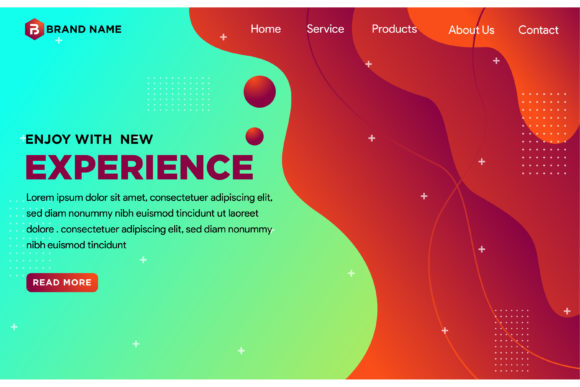
At its core, this resource is defined by its color theory and shape language. The light blue and green gradient represents growth, calm, and technology, while the introduction of the dark red gradient adds a layer of passion, urgency, and depth. When these colors merge in an abstract wavy formation, they create a visual metaphor for fluidity and adaptability. This is not just a static image; it is a design that suggests movement. The inclusion of bubble circles and flowing lines adds texture, preventing the background from feeling flat. It creates a sense of "liquid" motion that is incredibly popular in modern interface design and website layouts.
The visual personality of the Wave Green Red Gradient Background is versatile. It can feel corporate and sleek when used in muted tones, or vibrant and energetic when the contrast is high. The "wavy" aspect softens the geometric rigidity often found in tech branding, making it feel more organic and approachable. This fluidity is perfect for brands that want to appear flexible and responsive to market changes.
Practical Applications for Creators and Businesses
Understanding where to use this background is key to maximizing its value. Because the file is provided in high-resolution 300dpi and 100% vector formats (AI, EPS, SVG), it is incredibly flexible. Here is how different professionals can integrate it into their workflow:
- Web Design and Landing Pages: The primary use case is for landing page elements. A gradient background with depth helps separate content sections without using harsh lines. It guides the user's eye naturally down the page, improving the user experience (UX).
- Brand Identity and Logo Design: For tech startups, fitness brands, or modern service providers, the colors red, green, and blue can be extracted to build a cohesive color palette. The fluid motion of the wave can inspire logo shapes or iconography.
- Social Media Graphics: Platforms like Instagram and LinkedIn are crowded. A dynamic, fluid background ensures your posts stand out in a feed. It works exceptionally well behind text overlays for quotes, announcements, or podcast covers.
- Presentation Design: Corporate presentations often suffer from being dull. Using this gradient as a slide master background immediately modernizes the deck, making data and charts pop against the deep red and blue tones.
- Packaging and Editorial Design: While often digital-first, the 300dpi resolution makes this suitable for print. It can serve as a striking cover for a magazine, a notebook design, or the background for premium product packaging.
Influence on Brand Perception and Engagement
Color and shape directly influence how an audience perceives a brand. The Wave Green Red Gradient Background does more than just look pretty; it communicates specific values. The blue suggests trust and intelligence. The green implies growth and vitality. The dark red introduces a sense of boldness and determination. When combined, you get a brand personality that is balanced yet ambitious.
From a design perspective, gradients add depth. They create a three-dimensional feel on a two-dimensional screen. This depth helps in creating visual hierarchy. For instance, placing white or light-colored text over the darker sections of the red wave ensures high readability, while placing dark text over the lighter blue-green areas maintains contrast. This flexibility allows you to control exactly where the viewer looks first.
Technical Integration and File Utility
One of the most significant advantages of this asset is its technical composition. The download includes AI, EPS, JPG, and SVG files. Here is why that matters for your workflow:
- Scalability (Vector): The SVG and EPS formats allow you to scale the background to fit a billboard or a business card without losing quality. The lines remain crisp, and the gradients remain smooth.
- Editability: Because the file is well-organized with editable text, shapes, and colors, you are not stuck with the default palette. If your brand uses a slightly different shade of maroon or teal, you can adjust the gradient stops in Adobe Illustrator in seconds.
- Performance: For web use, the SVG format is lightweight compared to heavy image files, ensuring your landing page loads quickly—a crucial factor for SEO and user retention.
Design Observations and Recommendations
When working with the Wave Green Red Gradient Background, keep a few practical design tips in mind. First, be mindful of your typography. Since the background is busy and colorful, stick to clean, sans-serif fonts for body text to ensure legibility. A bold, modern display font works well for headlines to match the energy of the waves.
Second, use the "bubble circle" elements to your advantage. These can serve as natural focal points. You can place icons or small graphics inside the lighter bubbles to integrate your UI elements seamlessly with the background. Finally, consider the "maroon" and "green" tones when selecting accent colors for buttons or links. Pulling a color directly from the gradient ensures a harmonious and professional-looking interface.
Whether you are designing a website, crafting a social media campaign, or refreshing a brand identity, this asset provides the modern, fluid aesthetic required to compete in today's digital landscape. It is a tool that balances beauty with utility, offering a high-quality foundation for your next creative project.