Ramadan Kareem, Ramadan Mubarak Greeting Card Design
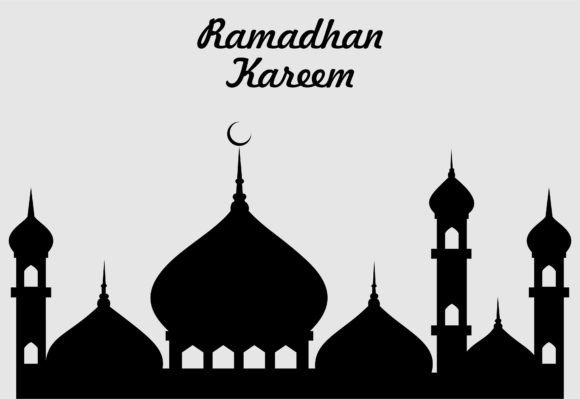
Capturing the serene and spiritual essence of the holy month requires more than just words; it demands a visual language that speaks to the heart. When we talk about the Ramadan Kareem, Ramadan Mubarak Greeting aesthetic, we are referring to a specific design concept characterized by the elegant silhouette of a mosque, often paired with a luminous crescent moon. This isn't just a stock image; it is a cultural symbol that resonates deeply with Muslim communities worldwide. For designers and content creators, understanding the visual personality of this greeting card style is the first step toward creating impactful communications during this sacred time.
Visual Characteristics and Cultural Resonance
The hallmark of this design lies in its vector precision and symbolic depth. You will typically see a dark, gradient background—often deep blues, purples, or blacks—representing the night sky. Against this, the mosque silhouette stands out in sharp contrast, sometimes filled with intricate ornament patterns or kept stark and minimalist. The moon, a central symbol in Islam, is frequently used as a focal point, perhaps cradling the text or serving as a badge. The typography accompanying this imagery usually features flowing calligraphy or elegant serif typefaces that mimic the curves of Arabic script, creating a sense of motion and grace.
This style appeals because it balances tradition with modern graphic sensibilities. It is not merely about religious observance; it is about celebrating a festival of light and community. The use of gold or warm hue gradients against cool backgrounds creates a visual metaphor for hope and illumination during the month of Ramadan. Whether you are a blogger sharing recipes or a small business owner promoting a sale, this visual vocabulary immediately signals relevance and respect to your audience.
Strategic Applications for Creators and Businesses
For marketers and entrepreneurs, the versatility of the Ramadan Kareem, Ramadan Mubarak Greeting design is a significant asset. It functions exceptionally well across various media:
- Digital Presence: Use the design as a banner for your website or a temporary profile picture update for social media. It shows cultural awareness without requiring a complete rebrand.
- Social Media Graphics: The high-contrast nature of the mosque silhouette makes it perfect for Instagram stories or Facebook posts. The imagery is instantly recognizable even on small screens.
- Email Marketing: Incorporating a subtle header graphic with the crescent moon and mosque can warm up your newsletters, increasing engagement with Muslim subscribers.
- Physical Collateral: If you are a retailer or event planner, this design translates beautifully to print. Think packaging inserts, flyers, or physical greeting cards handed out to customers.
The goal is to create a cohesive brand identity during the season. By utilizing a consistent illustration style—perhaps a specific vector logo treatment or a recurring pattern—you build recognition. It signals to your audience that you are present, thoughtful, and inclusive of their culture and celebrations.
Design Execution and Practical Guidance
When working with or commissioning a Ramadan Kareem, Ramadan Mubarak Greeting design, attention to detail matters. The composition should feel balanced. A common mistake is overcrowding the space with too many lanterns or conflicting patterns. Instead, focus on a clean hierarchy. The message—be it "Ramadan Mubarak" or a specific offer—needs to be legible. This is where choosing the right typeface becomes critical. A script font might look beautiful for the headline, but ensure your body text uses a clean sans serif font for readability.
Color psychology plays a vital role here. While purple and gold are traditional, don't be afraid to explore futuristic gradients or softer pastels if your brand personality leans that way. However, always ensure the mosque remains recognizable. It is the anchor of the design. For those using stock vectors or templates, customization is key. Adjust the colors to match your brand palette so the design feels integrated rather than pasted on.
Finally, consider the emotional impact. This is a time of hope, desire for spiritual growth, and community. Your design should evoke these feelings. Avoid overly harsh contrasts or aggressive marketing language. The aesthetic should be welcoming and sacred. By respecting the visual art and its meaning, you create content that not only looks professional but also fosters genuine connection with the Muslim community. This thoughtful approach to visual hierarchy and cultural symbolism ensures your message is received with the warmth and respect it intends.