Begomi: The Typeface That Captures the Thrill of the Race
In the crowded arena of modern typography, finding a typeface that genuinely communicates speed, precision, and forward momentum is rare. Most fonts designed for "speed" feel cartoonish or overly stylized. Begomi, a specialized sans serif font, takes a different approach. It isn’t just fast-looking; it is engineered with the same aerodynamic principles found in high-performance cycling and motorsport. This premium font serves as a bridge between industrial design and graphic art, offering a sleek, rhythmic geometry that feels alive. Whether you are building a brand identity for a new tech startup or designing the livery for a competitive cycling team, Begomi offers a visual language that is unmistakably modern.
Decoding the Visual DNA of Begomi
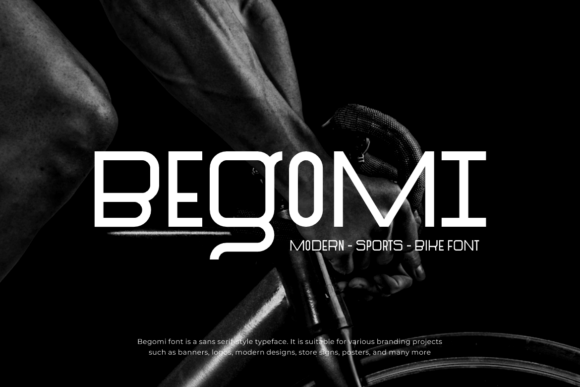
At first glance, Begomi strikes you with its bold, high-visibility structure. It is a display font built to command attention on headers, logos, and large-scale signage. The defining characteristic of this typeface is its rhythmic geometric cutouts. These are not random decorative elements; they are calculated voids that reduce visual weight while maintaining structural integrity. This technique creates a sense of vibration and movement, even on a static screen.
However, the true signature of the Begomi font lies in the terminal of its uppercase "G." In typography, a terminal is the end of a stroke. In Begomi, this terminal extends outward, mimicking the aerodynamic tail of a racing bike or a spoiler on a supercar. It is a subtle but powerful detail that anchors the entire character set. This design choice ensures that the font feels cohesive and purposeful. It moves away from the rigid geometry of the past and embraces a fluid, futuristic aesthetic that is perfect for web design and digital interfaces where capturing user attention is paramount.
Practical Applications: Where to Use This High-Energy Typeface
Understanding where a font like Begomi fits into your design assets library is key to using it effectively. Because of its bold, condensed nature, it is not a serif font intended for long-form reading. Instead, it excels in environments where impact is the primary goal. For logo design, Begomi is a standout choice for industries related to sports, fitness, automotive, and technology. Its sharp angles and clean lines suggest efficiency and innovation.
Consider using Begomi for:
- Sports Branding: Perfect for jerseys, team logos, and event posters for cycling clubs or marathons.
- Packaging Design: Ideal for energy drinks, sports nutrition, or tech gadgets that need to look cutting-edge on the shelf.
- Social Media Graphics: The high-contrast nature of the font ensures legibility even on small mobile screens, making it excellent for Instagram stories or YouTube thumbnails.
- Editorial Design: Use it for pull quotes or magazine covers to add a dynamic edge to your publication layout.
Unlike a script font or handwritten font, which might evoke personal or vintage feelings, Begomi signals a brand that is serious about performance. If you are a publisher working on a sci-fi cover or a tech magazine, this font provides the futuristic look you need without sacrificing readability.
Mastering Font Pairing and Visual Hierarchy
A creative font like Begomi works best when it has room to breathe. When incorporating it into your projects, visual hierarchy becomes your most important tool. Begomi demands to be the hero of the layout. It should be used for headlines, sub-headlines, and call-to-action buttons. Trying to force this typeface into a body text role will result in a cramped, difficult-to-read experience for your audience.
For font pairing, the rule of contrast applies. Because Begomi is geometric, angular, and industrial, it pairs beautifully with softer, rounder typefaces for body copy. A clean, humanist sans serif or even a highly legible serif font can provide a necessary visual rest for the reader's eyes. Avoid pairing Begomi with other aggressive display fonts, as this will create visual competition and confuse the viewer.
From a technical perspective, always review the included styles and weights. A font family like Begomi often comes with variations that allow you to create depth. You might use a heavier weight for the main headline and a lighter weight for the tagline. When testing for web design, ensure that the font renders clearly at the sizes you intend to use. While it is built for visibility, the unique cutouts that define its style need to be visible to have the intended impact.
Evaluating Fit and Commercial Usage
Before finalizing a commercial font for a client project or your own business, you must evaluate the project fit. Ask yourself: does the brand personality align with the font's voice? Begomi speaks the language of speed, precision, and modernity. If you are designing for a rustic bed-and-breakfast or a traditional law firm, this is likely the wrong choice. However, for a modern electric vehicle company, a cycling apparel brand, or a fitness app, it is an ideal match.
Licensing is another critical factor. As a premium font, Begomi typically requires a license that covers your specific usage, whether that is for a single website, a mobile app, or physical merchandise like t-shirts and mugs. Always verify the license terms to ensure your brand identity remains legally protected.
Ultimately, Begomi is more than just a collection of vectors; it is a strategic tool. By leveraging its unique aerodynamic curves and rhythmic geometry, you can inject a sense of velocity and professionalism into your designs. It helps transform a static layout into a dynamic experience, ensuring your message doesn't just sit there—it races ahead of the competition. For designers, marketers, and entrepreneurs looking to inject energy into their visuals, Begomi is a powerful addition to the typographic toolkit.